
September’s UK vehicle registration figures tell a remarkable story. With 63,750 vehicles from Chinese manufacturers registered during the month, representing more than 18% of the market, the growing influence of these relatively new entrants is becoming impossible to ignore.
Add the now Chinese-owned MG into the mix and the numbers leap even higher to 81,776 new registrations, representing over 23% of the total market.
Brands such as BYD, Chery, OMODA, JAECOO and Changan are no longer simply testing the waters, but building market share, expanding dealer networks and challenging manufacturers that have dominated British roads for generations.
In my previous blog, I explored the infrastructure required to support this expansion. However, the latest figures raises more questions, including how are Chinese manufacturers growing so quickly and can their established competitors keep pace?
The factories that never sleep
Part of the answer lies thousands of miles away, on production lines that look very different from traditional car factories.
China has invested heavily in manufacturing automation, creating facilities where robots carry out much of the production process, sometimes around the clock. In highly automated sections, the lights can literally be switched off because the machinery doesn’t need them. These so-called ‘dark factories’ offer a glimpse into the future of automotive manufacturing; combined with China’s ability to manufacture key components such as batteries in-house, automation is creating a formidable competitive advantage.
It’s not just about producing more cars, either. Chinese manufacturers are reducing the time required to develop and launch new models, bringing innovations to market at a pace that challenges traditional automotive development cycles.
How do traditional manufacturers compete?
Established automotive brands have spent decades building reputations around engineering, quality and reliability. Those strengths remain important, but they’re now competing against manufacturers capable of introducing new models and technologies at remarkable speed.
Matching Chinese vehicle prices is difficult, particularly when established brands must manage legacy manufacturing infrastructure, complex supply chains and the enormous investment required for electrification.
Trade policy adds another complication. As a recent Hickman Shearer analysis highlights, changes to tariffs could have significant implications for vehicle pricing, supply and residual values.
When innovation outpaces vehicle values
For the motor finance industry, this changing landscape raises important questions. A vehicle’s value depends on more than its condition or manufacturer’s reputation. Demand, supply, technology and confidence in future resale values all play a part.
When manufacturers introduce new models with improved battery range, faster charging and additional technology at increasingly competitive prices, existing vehicles can quickly become less attractive and this creates challenges for lenders and leasing companies whose financial decisions depend partly on what those vehicles will be worth several years down the line.
Strong new vehicle registrations demonstrate consumer demand, but establishing reliable used vehicle values takes time. Long-term reliability, parts availability and dealer network stability all influence confidence in a manufacturer’s vehicles.
Growth brings opportunity, but also responsibility
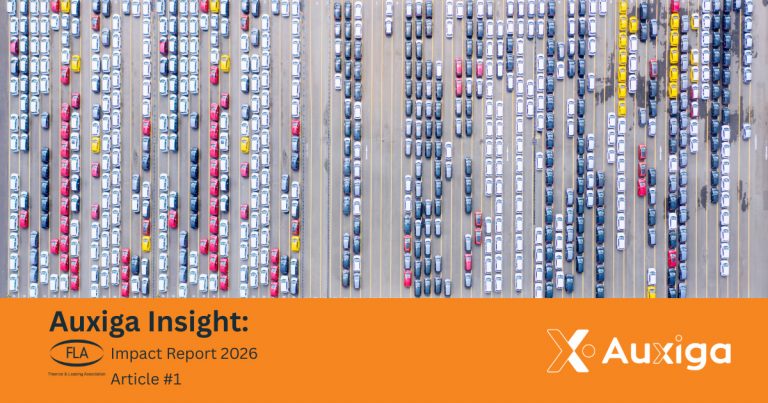
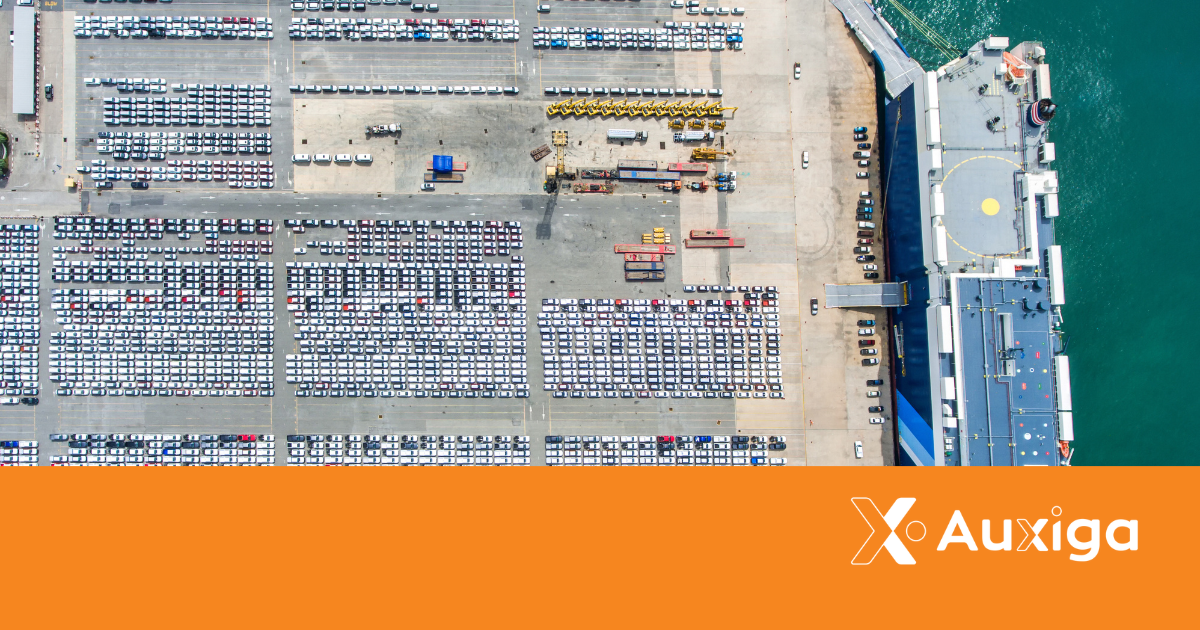
At Auxiga, we see this changing market from a different perspective. As manufacturers expand their UK operations, finance providers are supporting growing volumes of stock across import compounds, distribution centres and dealer networks. That’s significant capital invested in physical assets, often spread across increasingly complex networks.
Whatever happens to vehicle pricing or residual values, funders still need confidence that the vehicles supporting their financial arrangements exist, are correctly recorded and are where they’re expected to be. Independent verification and effective dealer oversight become particularly valuable when markets are changing rapidly, helping finance providers maintain visibility and manage risk.
Chinese manufacturers are demonstrating just how quickly an established market can change when technology, manufacturing investment and commercial ambition come together. Traditional manufacturers will undoubtedly respond and consumers should benefit from greater choice and innovation.
For the finance industry, the challenge is ensuring that the systems, information and oversight supporting these vehicles remain strong and evolve as required, because while the cars and manufacturers may be changing, the need for confidence in the assets being financed certainly isn’t.